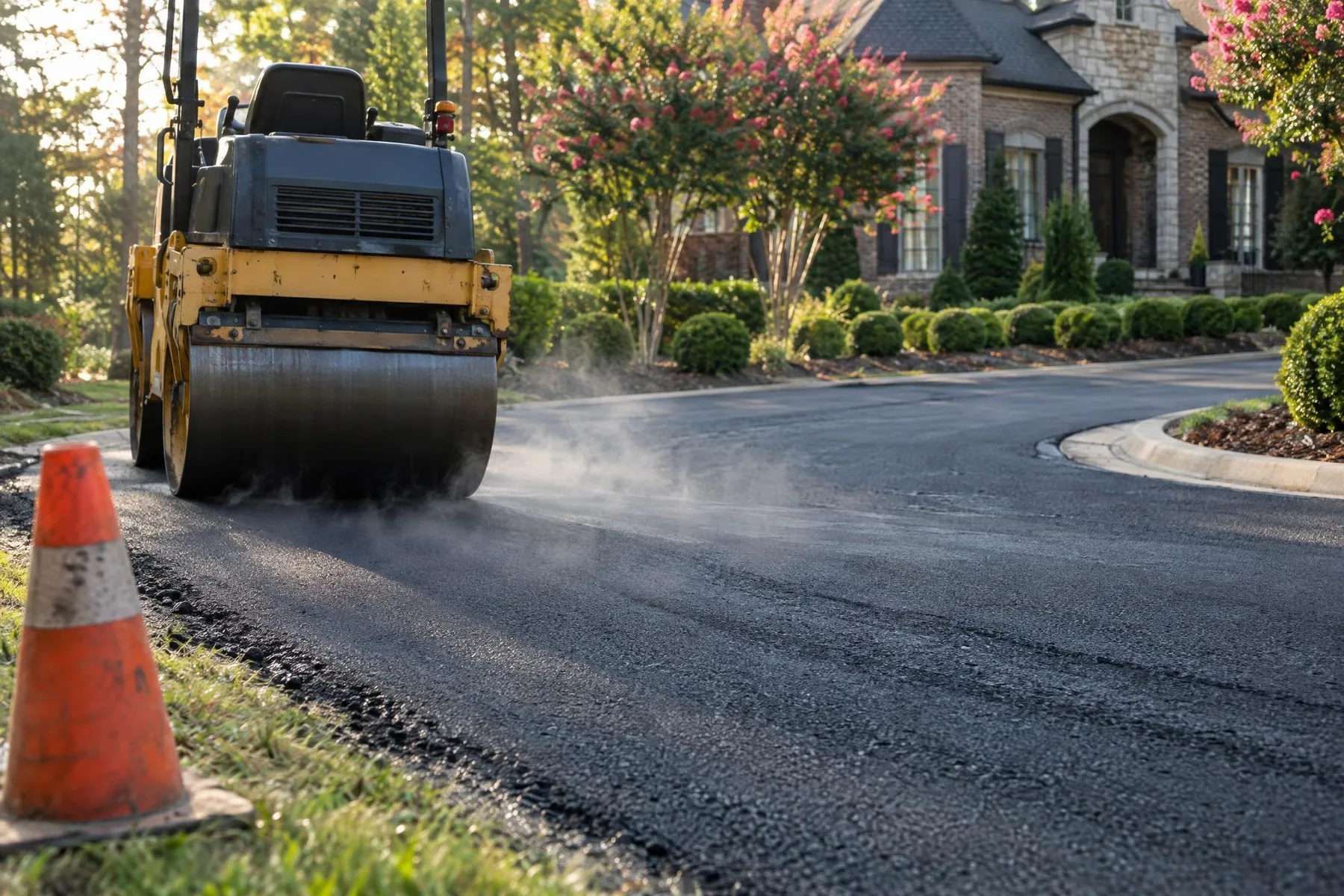
A long driveway on a Johns Creek slope carries rain, cars and the occasional delivery truck, and thin stone under it gives out early. The crew digs out soft spots, packs a deep bed of crushed stone and rolls hot mix over it, pitched so runoff heads for the street instead of the garage. The bid prices the stone base separately and states the asphalt depth once rolled. Hand-shaped borders and a blended apron finish the job, so the driveway meets the street without a lip and a bumper rolls in clean.
Shopping centers, swim and tennis clubs and neighborhood entrances all share one job: a worn lot reflects on whoever runs the place. The crew handles commercial, HOA and community paving, fixing drainage first and working in zones so part of the property stays open. Striping, accessible bays and fire lanes come at the end. A board or manager gets a single written plan showing each zone, its closing date and the notice residents will receive, so nobody learns about a closure from a cone.
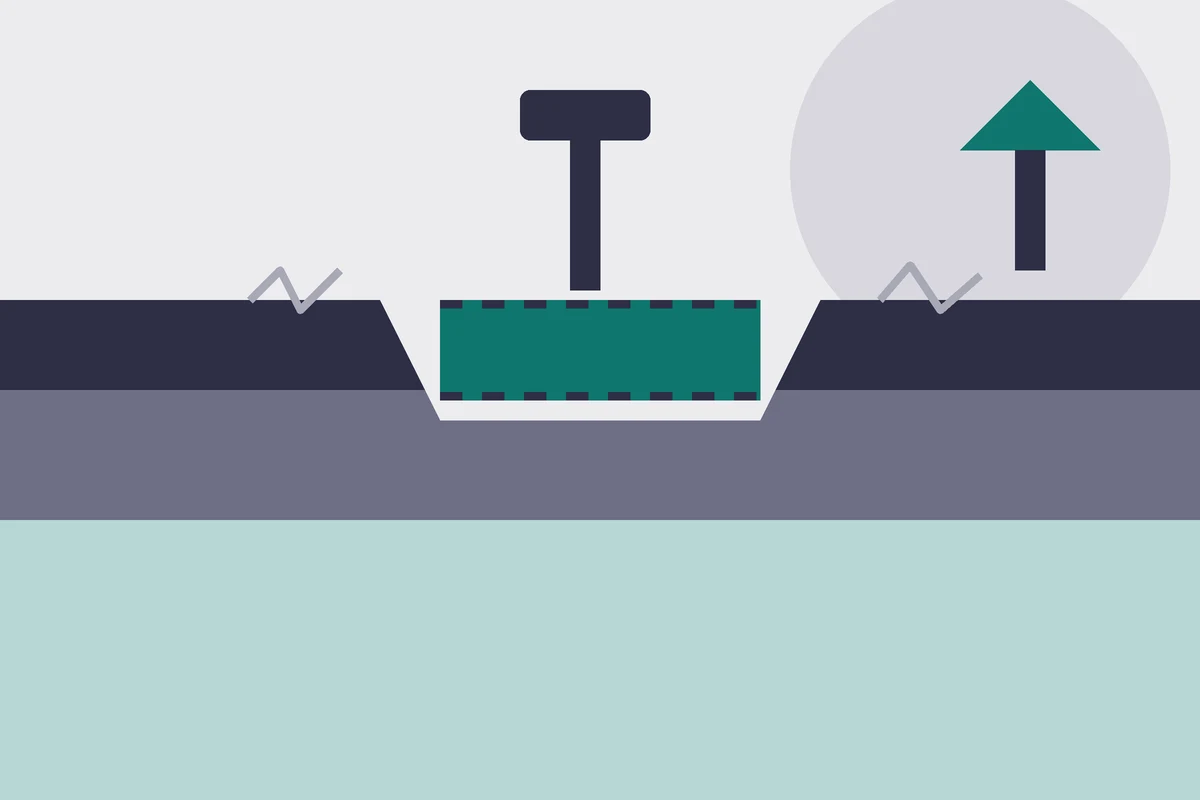
A crack that holds water over a freezing night is wider the next morning, and by February it is a pothole. The crew fixes cracks, potholes, ragged edges and sunken trenches, cutting out failed pavement, rebuilding the stone and packing new mix level with the old. Each spot shows up as its own line on the bid, so you approve the repairs you want. Puddling dips get leveled during the same visit, and soft ground under a patch is dug out first so the repair does not sink again.
Asphalt Resurfacing
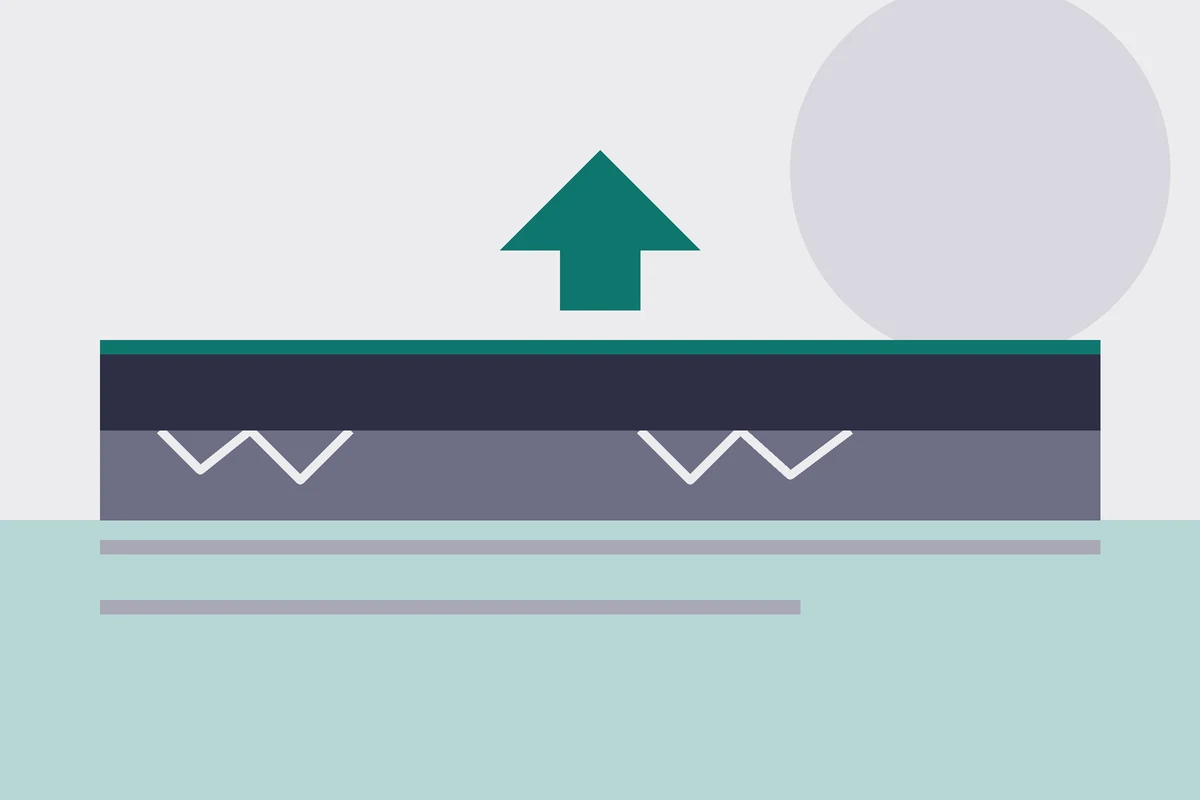
Dull, rough pavement over a solid base needs a new top coat, and the job costs far less than a rebuild. A cleaned, repaired surface gets an overlay between 1.5 and 2 inches thick, which restores a dark, smooth finish at a fraction of rebuilding cost. Testing comes first, because an overlay over soft ground fails with it. If the pavement is too far gone for a topcoat, the estimate says so before any money is spent. Cracks are routed and filled beforehand, and the edges are shaped to shed water.

Asphalt Sealcoating
Sun, oil drips and steady rain wear the binder out of asphalt, and a sealcoat replaces that lost protection. The crew sweeps, fills cracks, primes oil stains and applies the sealer in even passes. The cost is a small share of replacement, and the benefit is greatest on pavement that is still healthy. Large lots get coated in sections, and the bid states the number of coats along with how long to keep traffic off. Oil spots are primed first, because sealer will not hold over grease.
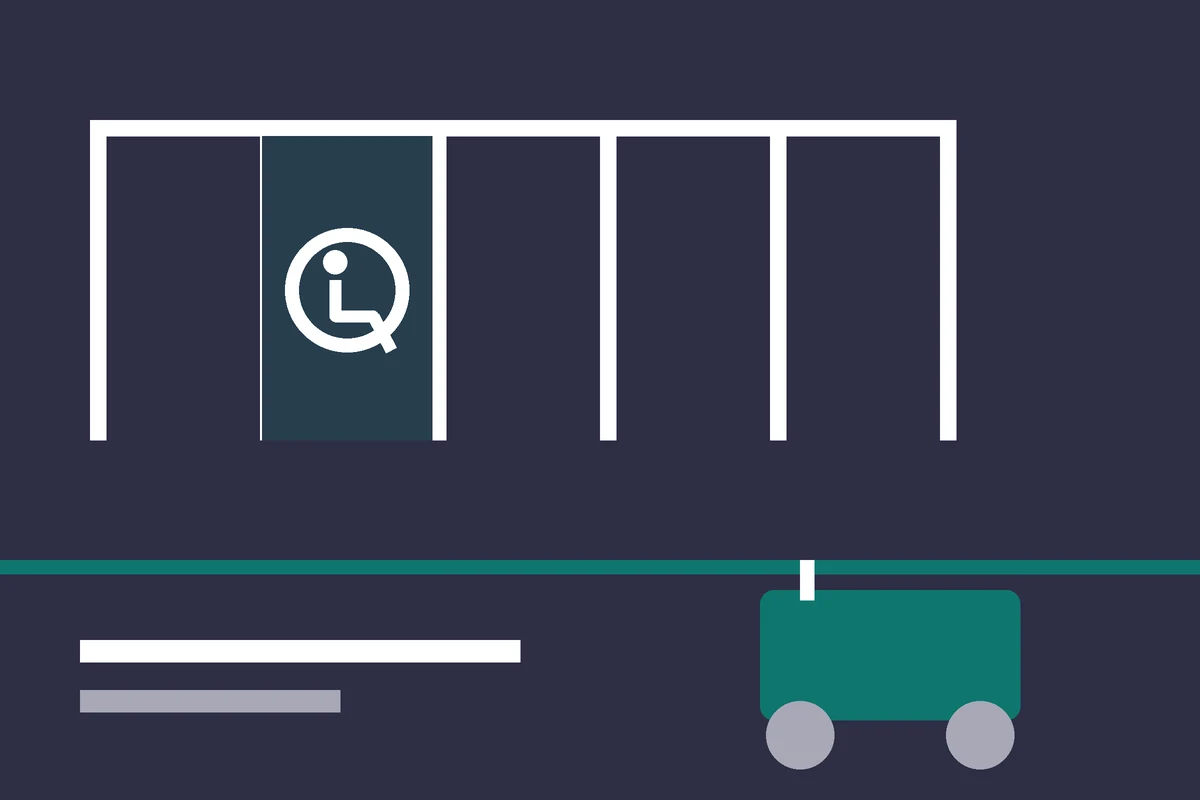
Parking Lot Striping
Faded lines leave visitors guessing, and a lot with bare stalls and no paint looks neglected. The crew paints stalls, arrows, fire lanes and accessible spaces for new and existing lots. A chalk layout goes down first, so you can check it against your plan before any paint is sprayed. Busy sites can be restriped in sections while customers keep parking. Worn accessible markings expose an owner to risk, and fresh paint closes that gap. Striping follows new paving or a sealcoat, so the lines go on a clean, cured surface.